
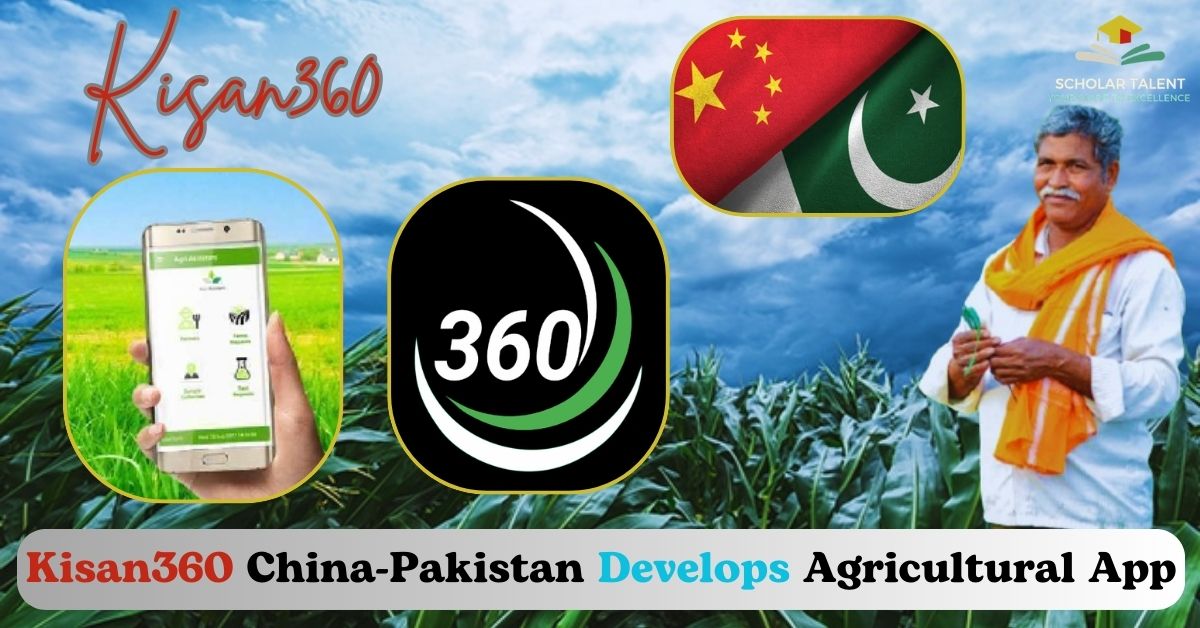

Pakistan and China, in an innovative collaboration, have created an AI-powered agricultural app that is supposed to enhance farming production and is worthwhile. This groundbreaking innovation will empower farmers with numerous tools to manage health, irrigation, and pest control in their own hands using the Kisan360 app. The rise in technology is paving new ways to care for everything using technological means. The same use of technology has been done by China and Pakistan for the integration of technology in the agriculture field in the form of Kisan360.
The Kisan360 app is making Pakistan’s agriculture more efficient and smarter. The Kisan360 app integrates drone technology, AI, and satellite imagery, particularly in the fertile region of Punjab.
The Future of Farming in Pakistan: AI Meets Agriculture
Farming in Pakistan is very challenging for the farmer because of harsh weather conditions unpredictable water availability and the inability of farmers to recognize the viral diseases in the crops. The former in Pakistan are using outdated farming techniques and practices but the introduction of Kisan360 an AI-powered agricultural app is able to update the preceding farmer’s techniques and reshape the farmers’ approaches to the management of crops.

A farmer, Muhammad Taj resident of Gujranwala has tested the app and already has seen the benefits he said after testing the Kisan360 app, that I can regularly check the health of my crops using my mobile phone daily the Kisan360 is helping me to reduce losses and improving the yields by easy recognition of harmful crop diseases.
Taj shared his satisfied experience in the growing hope for technological revolution in the agricultural sector of pakistan.
AI-Powered Tools for Smarter Farming
Kisan360, developed through a China-Pakistan cooperation project, utilizes state-of-the-art computer vision technology. Drones equipped with visual recognition tools patrol the skies, monitoring fields in real time. The app’s AI system processes this data to provide farmers with actionable insights, including:
- Crop Health Monitoring: The AI based application captures the condition of crops using phone’s camera and flags the areas that need attention or are affected by pests.
- Irrigation & Fertilizer Optimization: This AI based app also calculates the moisture’s nitrogen levels by using the satellite imagery and advises the farmers amount of water and fertilizers needed to optimize the growth.
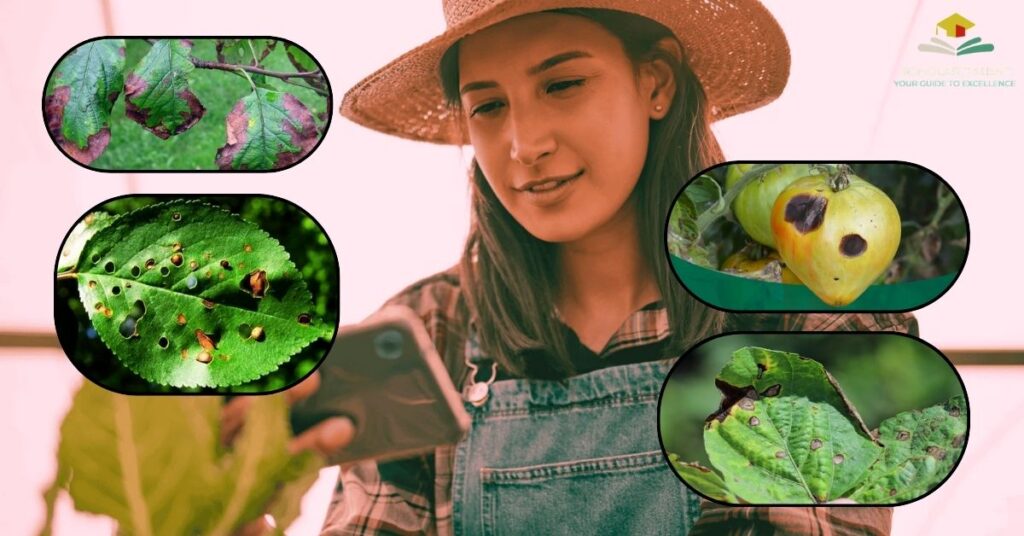
- Pest and Disease Detection: This AI based app uses a camera to capture the crop in order to examine the condition and detect the harmful diseases and pests to ensure the early intervention before it is spread widely.
The app embraces intelligent crop monitoring and tools for management, and Chinese project leader, Dr. Wu Jun stated that it will boost productivity especially in challenging regions like Punjab.
Overcoming Initial Doubts: A Steady Transition
When the Kisan360 project was first introduced, many farmers were sceptical about the new technology. The idea of relying on drones and AI for farming seemed too complex. Although some local teams have paced in addressing the concerns by creating an easy understanding of Kisan360 by farmers. Kisan360 is easy to understand and uses audio-visual resources in local dialects making it easier to use in a smoother and easier manner.
A Pakistani researcher involved in the research, Saqib Ali shared that farmers are experiencing how the app helps with everything from optimizing fertilizer’s use to saving water. The Kisan360 is a very useful and beneficial system.
AI Integration: The Power of DeepSeek
One of the most standout features of Kisan360 is that it is integrated with DeepSeek. DeepSeek is an open-source Artificial Intelligence Chatbot. Kisan360 is designed to improve with communication with farmers, DeepSeek can offer various personalised pieces of advice based on conditions and provide more smart insights for farmers to navigate the complexities of agriculture.
Also Read: DeepSeek: What is DeepSeek? Chinese AI Shaking the World.
A Partnership for Sustainable Agriculture
China and Pakistan’s bond is more than just technology; it’s about ensuring long-term sustainability in agriculture. Ensuring the challenges tackled by the farmers Kisan360 is designed to make farming stronger. By the use of this AI-based Kisan360 app farmers can reduce wastes and can ultimately increase food security.
The Director of the Center of Agricultural and Food Security Research, Dr. Sultan Habibullah Khan remarked that this collaboration is to modernize Pakistan’s agriculture. Kisan360 has the potential to modify and alter the way we farm, assisting us to adapt climate patterns and boosting production.
Scaling Up: Bringing AI to Farmers Across Pakistan
The Kisan360 app is totally free and available on both Apple store and Play store and it has already reached over 1,000 farmers. In the upcoming years the agriculture of Pakistan would be enhanced by using AI tools. With a pushy plan of introducing AI-based solutions in agriculture, it will enhance productivity, and make farming more resilient in future.
Why This Matters: The Role of AI in Agriculture
In the agriculture field, the integration of AI is just not a trend, but it is the future. The developing countries like Pakistan can improve its farming practices by leveraging AI. The success story of Kisan360 is an example of how technology can help in addressing the critical challenges in farming.
Conclusion: A New Era for Farming in Pakistan
Kisan360 is an epitome of how AI and technology can meet the hard work and tradition. Kisan360 is a bold bound in the world of agriculture with the collaboration of China and Pakistan and making the future of farming more promising. By using Kisan360 farmers have access to various tools that can help increase in the production of crops, recognizing the condition and suggesting the proper steps to stop losses in no time. Undoubtedly, Kisan360 will change the landscape of agriculture in Pakistan and foster a sustainable future for the farming community.
Also Read: Top 5 Chatbots in 2025: The Future of AI Conversations
Share this article
